





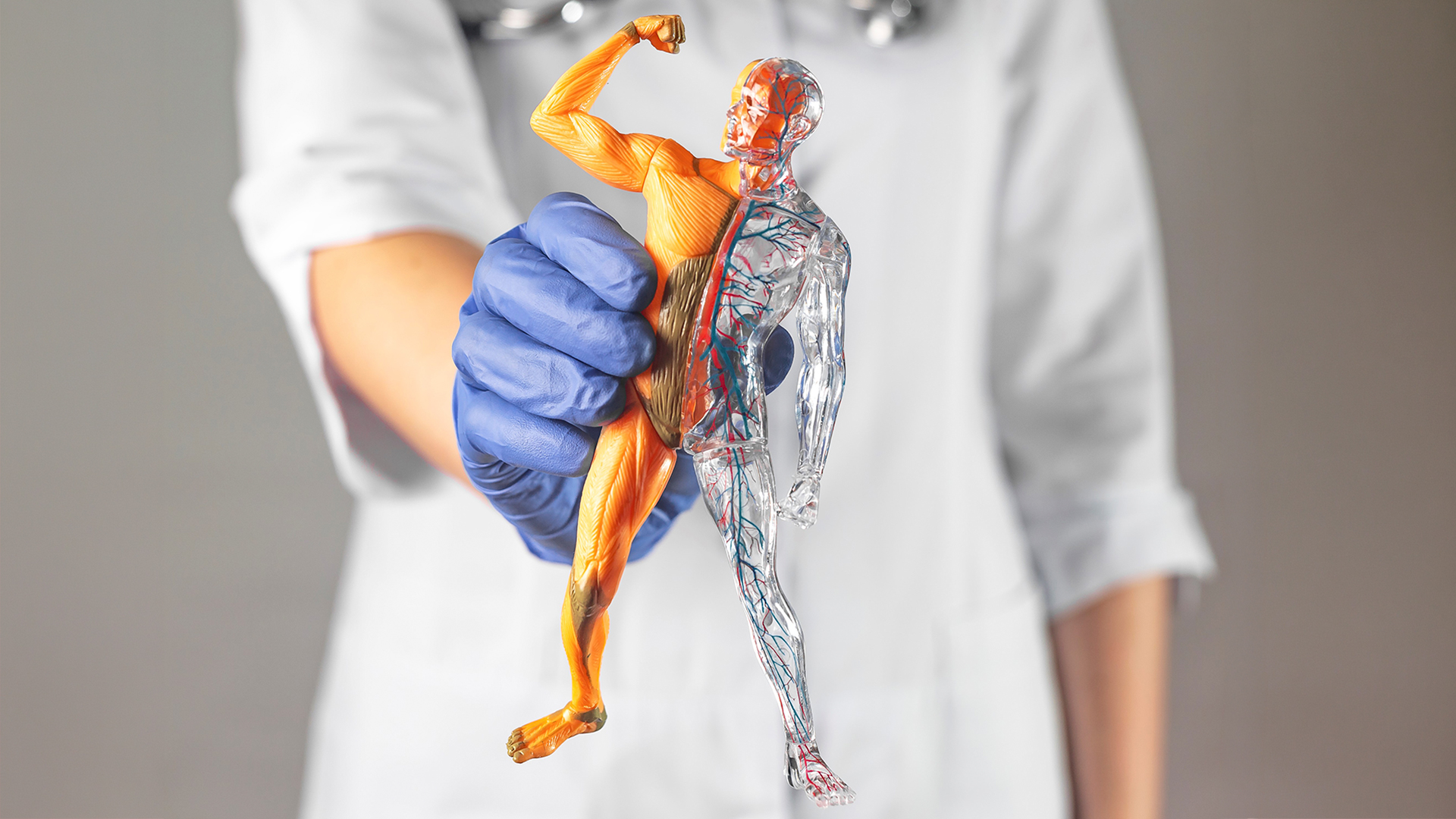
Stress is not just a feeling. It is a complex biological response that occurs within the body, and one of the key systems that regulates it is the HPA axis (hypothalamic-pituitary-adrenal).
This axis serves as a communication system between the brain and the adrenal glands, triggering the release of cortisol when we perceive a demand or threat.
Cortisol: Necessary, But in Balance
Cortisol often gets a bad reputation, but it is actually essential. At appropriate levels, it helps us react, stay alert, and respond to demanding situations. The problem is not cortisol — it is when it stops being properly regulated.
Under normal conditions, cortisol rises when you need it… and then falls. That cycle is what maintains balance.
What Happens Under Chronic Stress?
When stress becomes chronic, the HPA axis remains activated longer than it should. Over time, this can alter cortisol production and affect multiple body systems. Common signs include:
- Persistent fatigue
- Anxiety or a constant sense of alertness
- Sleep problems
- Hormonal dysregulation
- Increased inflammation
It does not always feel like ‘stress’. It often manifests as tiredness, irritability, or difficulty switching off.
Acute Stress vs. Chronic Stress
Acute stress is a natural part of life. It is adaptive and necessary. Chronic stress, on the other hand, keeps the body in a constant state of alertness without allowing it to recover. That is where the system begins to dysregulate.
It Is Not Just Mental — It Is Biological
Talking about stress is not just talking about emotions. It is talking about a system that impacts hormones, sleep, energy, and inflammation.
Managing it is therefore not simply about ‘relaxing’, but about helping the body return to a state of equilibrium.
Small adjustments in habits, rest, and nervous system regulation can make a significant difference in how the body responds.